A Quality Education

Excellence in a Girls’ School: The Unique Experience of Our School

More than a school, it is a community where every student reaches her full potential. Our single-sex and enriched educational approach builds self-esteem, fosters learning and prepares students for higher education in a safe and stimulating environment.

1 – En-tete – Education de qualite

A Girls’ School

Living five years of high school in a girls’ school is a unique and elevating experience, with many well-documented benefits.

Adapting to Different Maturity Rates

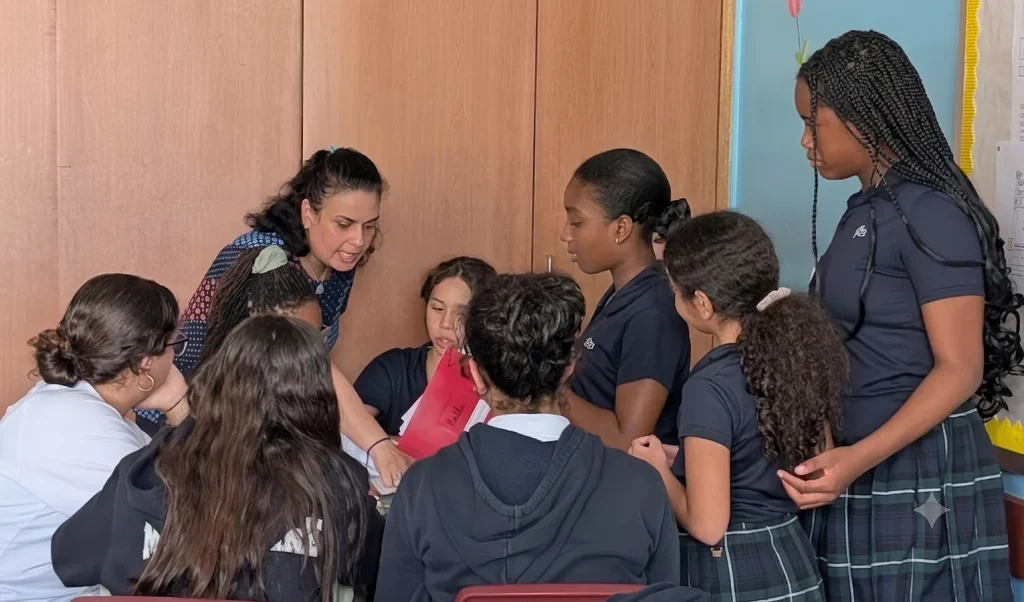
In adolescence, girls and boys do not develop at the same pace. A single-sex environment allows education to be tailored to girls’ specific needs, encouraging their active participation and their willingness to explore topics they might hesitate to tackle in a mixed-gender setting.

Targeted Educational Approach

Girls and boys learn differently. Single-sex education makes it possible to implement teaching methods adapted to girls, optimizing their learning.
Better Academic Results

Research shows that single-sex schools achieve the best academic results worldwide.

 1 European Association of Single-Sex Education

Cultivating Self-Esteem

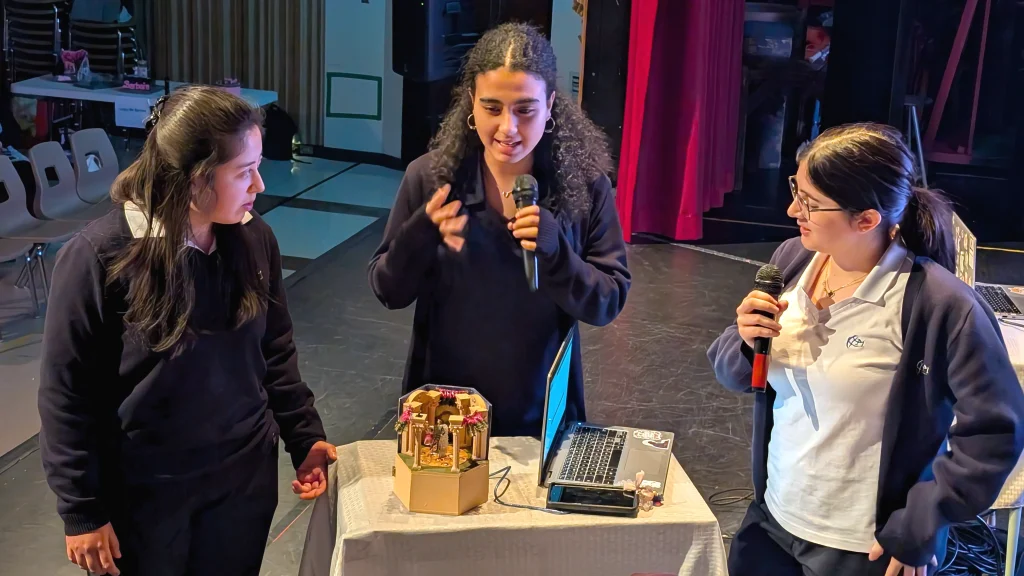
In a girls’ school, every student can access all leadership positions. The absence of boys reduces appearance-related pressure and creates a space where girls express themselves freely, in the classroom and in every sphere of school life.
Critical Thinking About Media Stereotypes

A single-sex school helps young women develop a critical eye toward the hypersexualized image of women conveyed by certain media.

Self-Awareness and Personal Confidence

Without the pressure of the male gaze, students are free to be themselves. They develop a stronger sense of self and lasting confidence that accompanies them well beyond high school.
Fewer Distractions

A single-sex environment promotes concentration and greater engagement in learning.

Warm and Community-Oriented Atmosphere

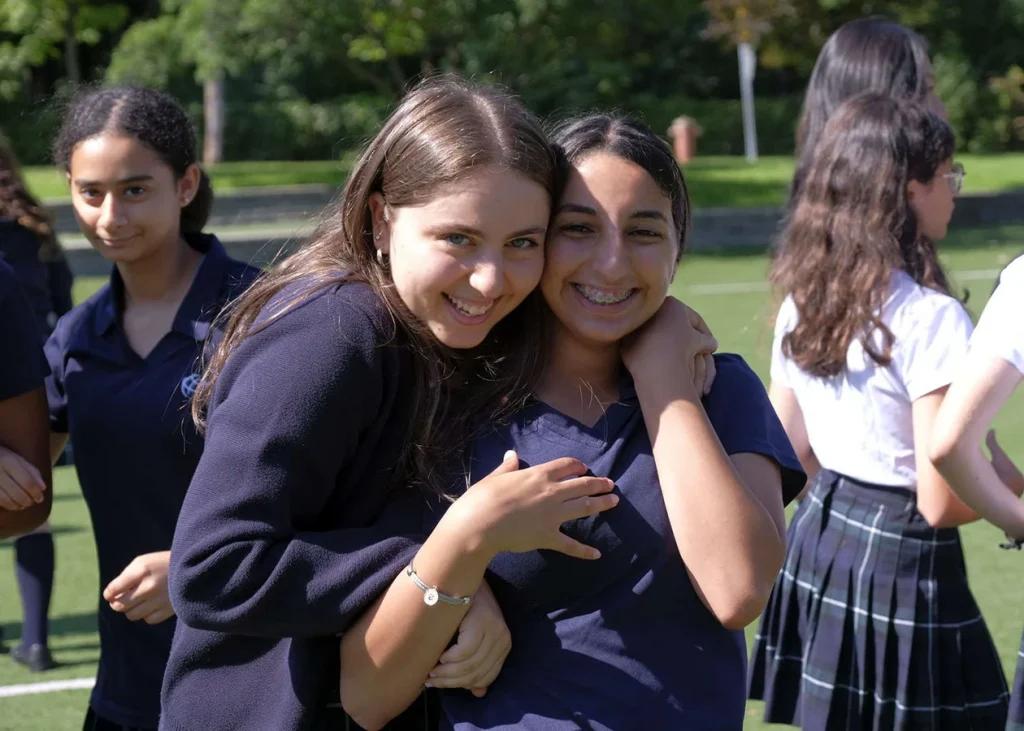
A girls’ school naturally fosters closeness, mutual support and an atmosphere built on community solidarity, rather than competition and clique formation.
Psychological and Social Well-Being

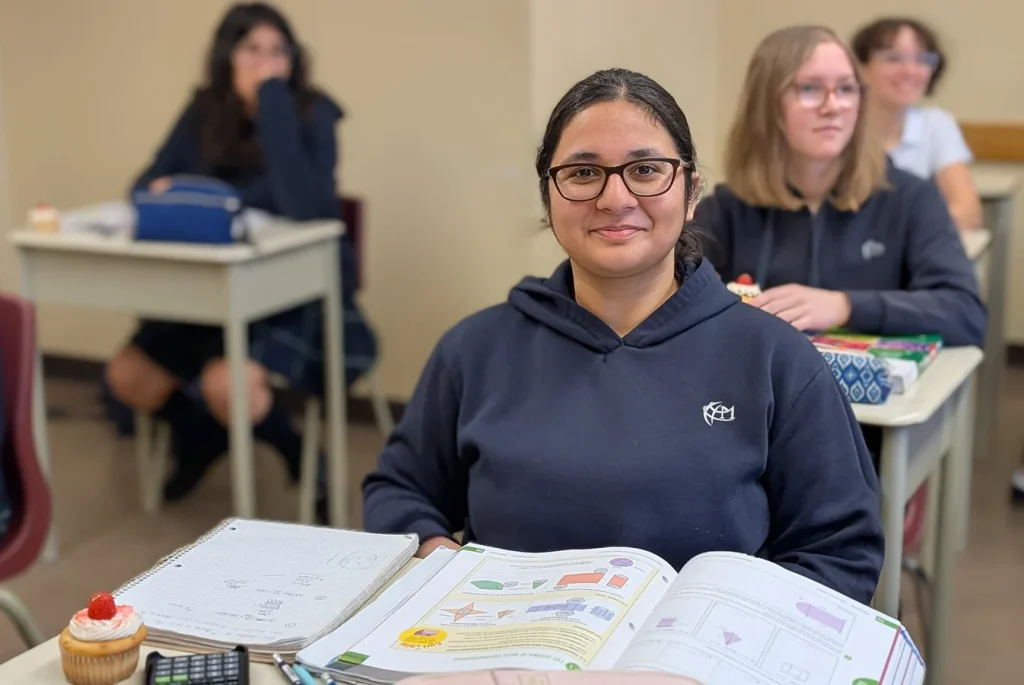
Girls feel safe, especially when tackling subjects traditionally perceived as non-traditional for them (mathematics, science, technology). Single-sex education helps dismantle gender-based stereotypes about subjects and supports the personal growth of every student.
Enriched Curriculum

A hallmark of Marcelline pedagogy is to never approach any subject superficially, but to deepen the concepts taught in each discipline. Teachers go beyond the Ministry requirements in both quality and quantity. Academic excellence is essential and allows all students to build a solid cultural and scientific foundation, effectively preparing them for higher education.

The number of hours of instruction per week also exceeds what is required by the Ministry of Education. This allows us to make subjects that are normally elective mandatory for our students.

Self-Defence — Grades 8 and 11

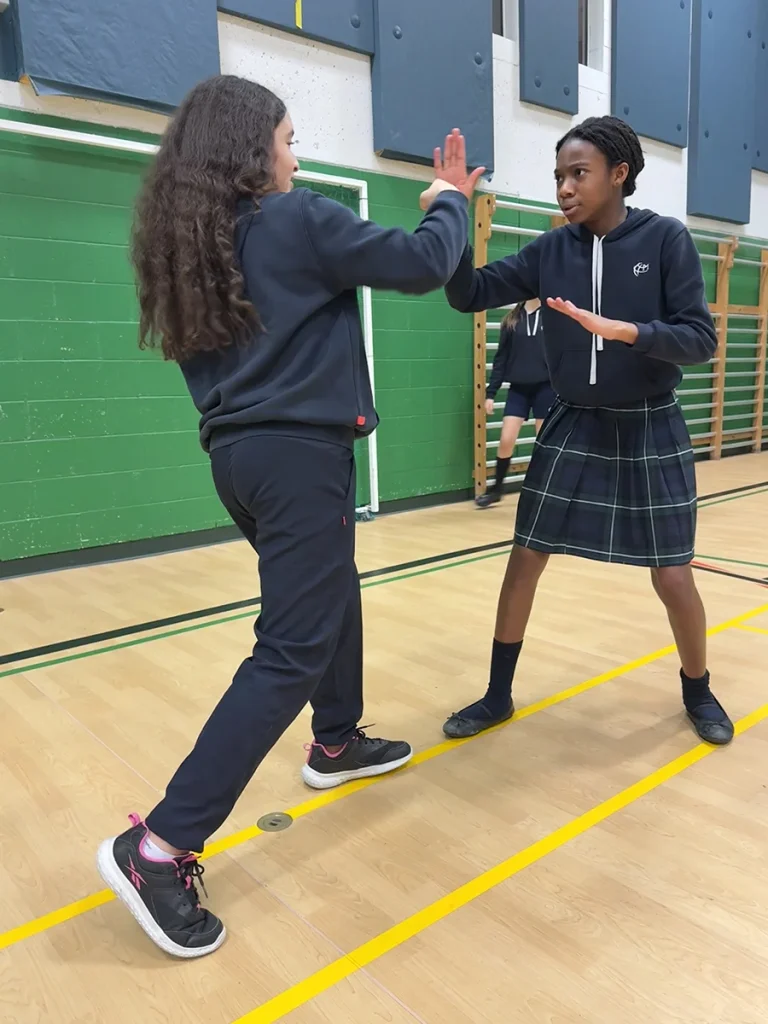
All high school students are required to complete a structured self-defence program, one in the first cycle and one in the second cycle. Taught by experts, these courses aim to develop awareness, self-confidence and effective, appropriate protection techniques. With an emphasis on prevention and self-control, this training gives young women greater independence and an increased sense of safety in their daily lives. Successful completion of this program is an essential requirement for earning the school’s diploma, underscoring the importance placed on students’ holistic development and physical well-being.

Biology (College Level)

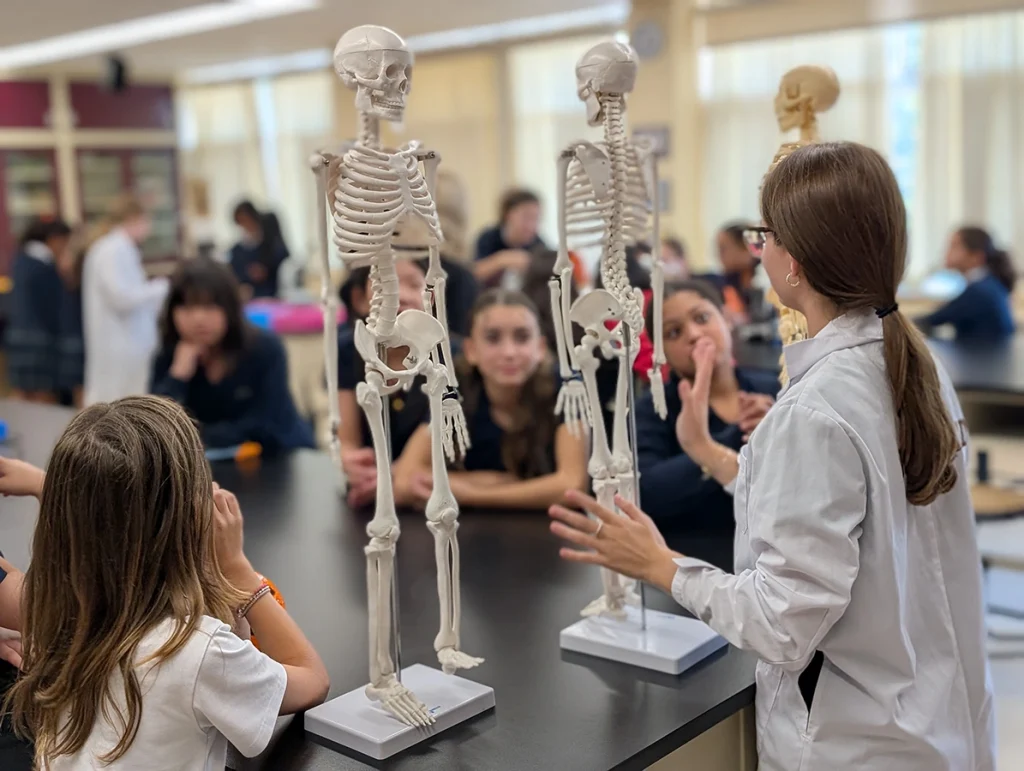
This college-preparatory course focuses on the understanding and deepening of biology concepts: anatomy and physiology, the chemistry of life, the cell, tissues, the senses, organs and systems (nervous, circulatory and endocrine), and genetics. Lab work, including dissection, is an integral part of the course. Throughout the year, students can also meet and do internships with professionals in the field, allowing them to explore the many careers in the life sciences.

Intercultural Education — Grade 9

This course gives students an in-depth understanding of the great cultural and spiritual traditions that have shaped the history, art and culture of societies, both in Québec and throughout the world. It aims to develop solid general knowledge, an open mind and a critical perspective on cultural, religious and spiritual diversity. Through the study of universal human beliefs, practices and values, students are led to better understand the cultural frameworks that promote peaceful coexistence, to deconstruct prejudice and to interact respectfully and constructively in a pluralistic society.

Spanish DELE

In Grade 11, students may choose to enrol in the optional Spanish extracurricular course and, through the D.E.L.E. (Diploma of Spanish as a Foreign Language) exam, obtain an internationally recognized certification. On the Common European Framework of Reference for Languages placement tests, most of our students reach upper-intermediate and advanced levels by the end of Grade 10.

Micro-Programs — Grade 8

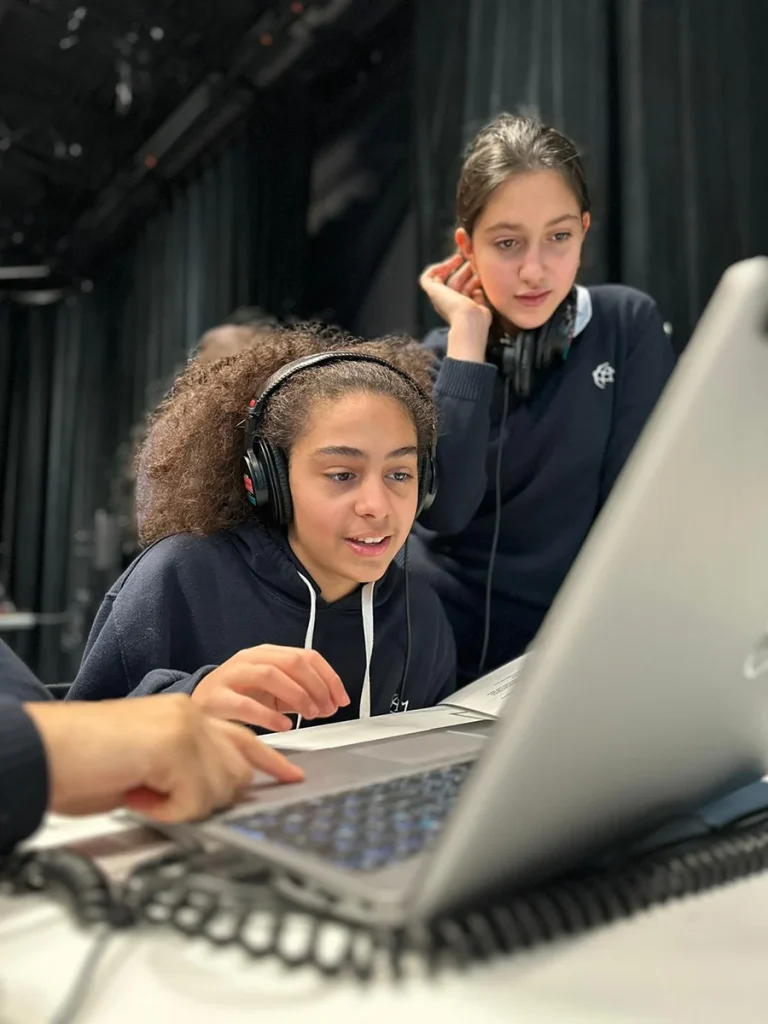
Micro-programs allow students to explore a variety of disciplines through six sessions of five courses per year: dance, media arts, the 3D aspect of mathematics, health, reading and Québec culture.

Anchoring Period — Grades 7 and 9

At the beginning of each cycle in Grade 7 and Grade 9, students benefit from a dedicated period in their schedule: the Anchoring period. Designed to address challenges in autonomy, work methods and learning strategies, this period features workshops led by various school staff, without encroaching on regular class time.

CPR and First Aid — Grade 9

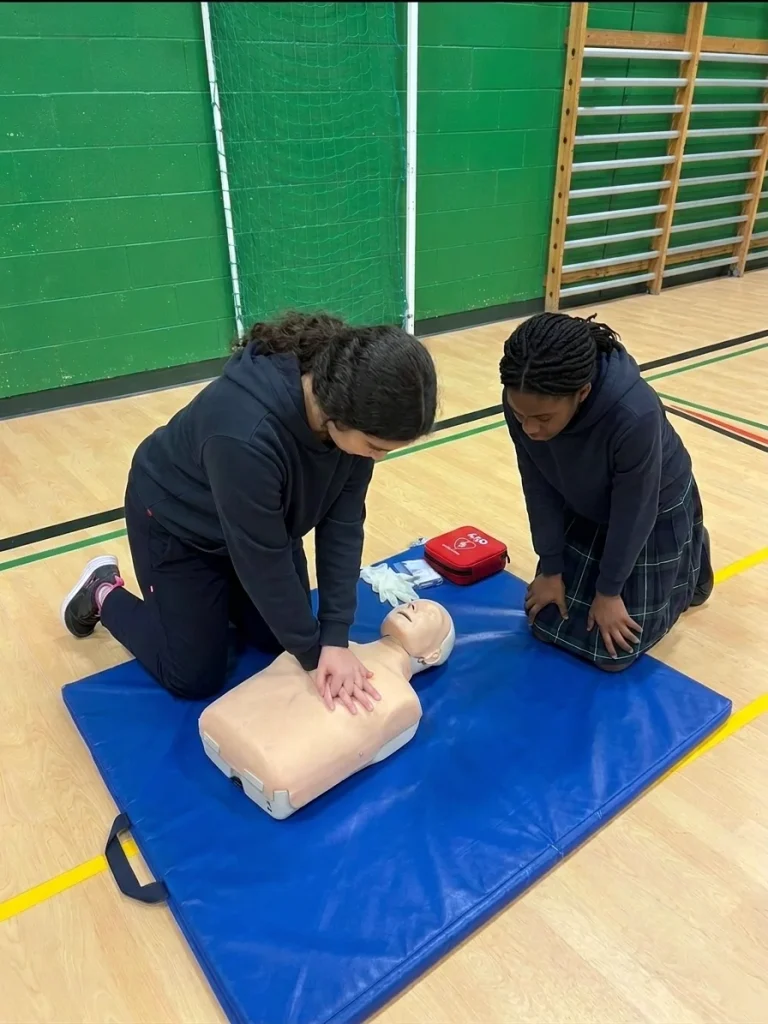
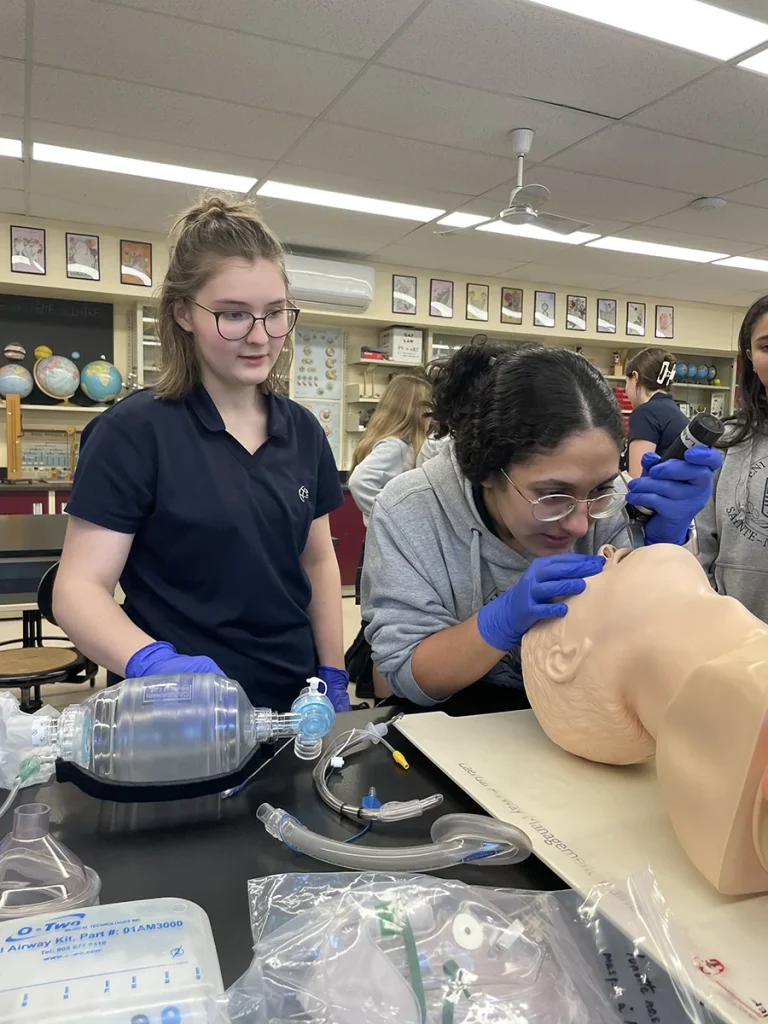
All Grade 9 students are required to complete a certified CPR and first aid training course, delivered by the Canadian Red Cross. This rigorous program provides the essential skills to intervene effectively in cardiorespiratory emergencies or critical situations. Successful completion of this course (which may also be completed with a recognized external organization) is an indispensable prerequisite for receiving the school’s diploma.